
Skip to content

What Causes Dry Eye and How to Treat It

    If you’ve ever felt a gritty, burning, or stinging sensation in your eyes—or that frustrating feeling
like there’s something stuck in them—you may be dealing with dry eye syndrome. It’s one of
the most common eye conditions today, affecting millions of adults and even children.
   At Wink Family Eyecare in Cypress, TX, we see patients every day who suffer from dry eyes
and aren’t sure what’s causing it—or how to make it stop. The good news? Dry eye can be
managed and treated effectively once you understand the underlying causes and get
professional care tailored to your needs.

Let’s take a closer look at what causes dry eye and how you can find lasting relief.


What Is Dry Eye?
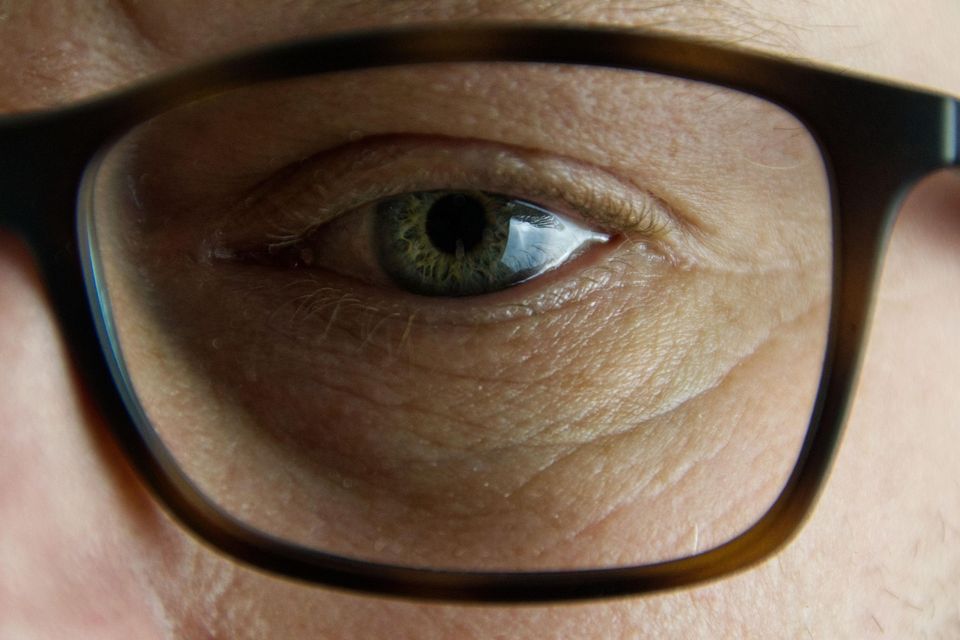
Close up of eye with glasses in Houston, Texas
   Dry eye occurs when your eyes don’t produce enough tears or when your tears evaporate too
quickly. Tears are essential for keeping your eyes lubricated, comfortable, and healthy. When
your tear film isn’t functioning properly, your eyes can feel irritated, tired, and sensitive.

Common Symptoms of Dry Eye Include:
● Burning, stinging, or scratchy sensation
● Redness or irritation, especially in windy or dry environments
● Blurry vision that comes and goes
● Excessive tearing (yes, too many tears can actually be a sign of dryness)
● Light sensitivity
● Feeling like something is stuck in your eye

If you’re experiencing any of these symptoms regularly, it’s important to schedule an eye exam
with your Cypress optometrist to determine the cause and get the right treatment.


What Causes Dry Eye?

   Dry eye can be caused by a variety of factors—some environmental, others medical.
Understanding these causes helps your optometrist identify the best way to treat and prevent
future discomfort.


Age and Hormonal Changes

As we age, tear production naturally decreases. Dry eye is especially common in adults over 50
and in women experiencing hormonal changes due to menopause, pregnancy, or birth control.


Screen Time and Digital Eye Strain

In today’s digital world, most of us spend hours looking at computers, phones, or tablets. When
we stare at screens, we blink less—reducing natural tear production and increasing dryness.


Environmental Factors

Living in Cypress, TX, we experience plenty of hot, windy, and dry weather—all of which can
cause your tears to evaporate faster. Air conditioning, ceiling fans, and heaters can also worsen
dryness indoors.


Contact Lens Use

Wearing contact lenses for long periods can disrupt your eye’s natural moisture balance. Many
contact lens wearers experience dryness, especially if their lenses aren’t fitted properly or if they
sleep in them.


Medications and Medical Conditions

Certain medications—like antihistamines, antidepressants, and blood pressure
medications—can reduce tear production. Health conditions such as diabetes, rheumatoid
arthritis, thyroid disorders, and autoimmune diseases (like Sjögren’s syndrome) are also linked
to chronic dry eye.


Poor Tear Quality
Sometimes, dry eye isn’t about too few tears—it’s about the quality of your tears. A healthy tear
film includes three layers (oil, water, and mucus). If the oil layer is lacking—often due to blocked
oil glands (meibomian gland dysfunction)—your tears evaporate too quickly, leading to dryness.

Different colorful glasses in an array at a family eye-care center

How to Treat Dry Eye Effectively


   The key to lasting dry eye relief is identifying the root cause. At Wink Family Eyecare, we take
a personalized approach to diagnosis and treatment. Here’s how we help patients find relief and
restore eye comfort:


Comprehensive Eye Exam

We begin with a detailed dry eye evaluation to assess tear quantity, quality, and gland health.
This allows us to pinpoint the cause of your symptoms and customize a treatment plan.


Artificial Tears & Lubricating Drops

For mild cases, over-the-counter lubricating eye drops can provide quick relief. However, not
all eye drops are created equal. We’ll recommend the best preservative-free options for your
specific needs.


Prescription Medications

For moderate to severe cases, prescription eye drops such as Restasis® or Xiidra® may be
prescribed to reduce inflammation and improve tear production.


Warm Compresses & Eyelid Hygiene

If oil glands in your eyelids are blocked, warm compresses and gentle lid scrubs can help clear
the glands and improve tear film quality. We may also recommend professional in-office
treatments for stubborn gland dysfunction.
 

Lifestyle & Environmental Adjustments

Simple changes can make a big difference:
● Take breaks from screens every 20 minutes
● Stay hydrated
● Use a humidifier indoors
● Avoid direct airflow from fans or AC vents
● Eat a diet rich in omega-3 fatty acids (found in fish, flaxseed, and walnuts)

Punctal Plugs (For Severe Dry Eye)
In cases of severe dryness, we may insert tiny, painless plugs into your tear ducts to slow tear
drainage. This helps your eyes retain moisture for longer periods.


Why Choose Wink Family Eyecare for Dry Eye Treatment
in Cypress, TX

   At Wink Family Eyecare, we’re not just focused on your symptoms—we’re focused on your
comfort, clarity, and long-term eye health. Our compassionate team uses advanced diagnostic
technology and evidence-based treatments to help you see and feel your best.
We take the time to listen, educate, and design a care plan that fits your lifestyle—because your
vision deserves personalized attention. Whether your dry eye symptoms are mild or chronic, our goal is simple: to help you find lasting relief and love the way your eyes feel again.


   If you’ve been dealing with irritation, redness, or discomfort, you don’t have to suffer in silence.
Schedule a dry eye consultation with Wink Family Eyecare in Cypress, TX today. We’ll
identify the cause, create a personalized treatment plan, and help you restore comfort, clarity,
and confidence in your vision.